
Many parents still believe the job market works the way it did ten or fifteen years ago. Learn a software. Get a degree. Build a resume. Attend an interview. Get a job. That formula used to work.
But today, it is no longer enough. Because companies are not just hiring people who know tools. They are hiring people who can think.
That is the biggest shift happening in the market right now.
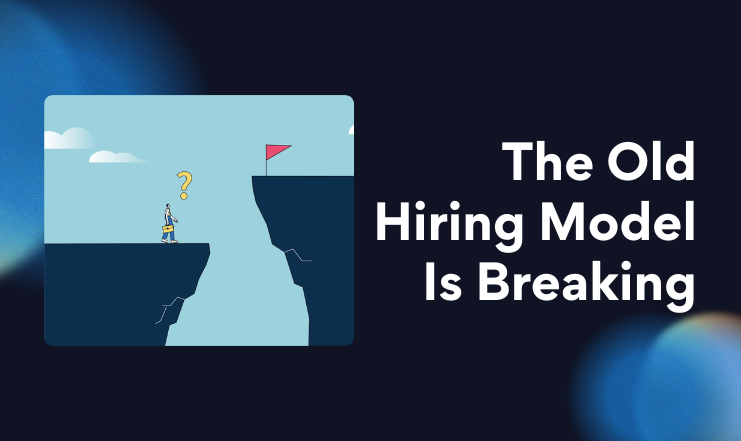
The Old Hiring Model Is Breaking
Earlier, companies mainly looked for a degree, software knowledge, certifications, and basic communication skills.
Those things still matter. But today, almost every student has similar qualifications. Thousands know Photoshop. Thousands know Figma, Meta Ads, Google Ads, Canva, ChatGPT, video editing, and coding tools.
When everybody has similar technical skills, companies start asking a different question: “Who can think better?”
That is where the real difference comes.

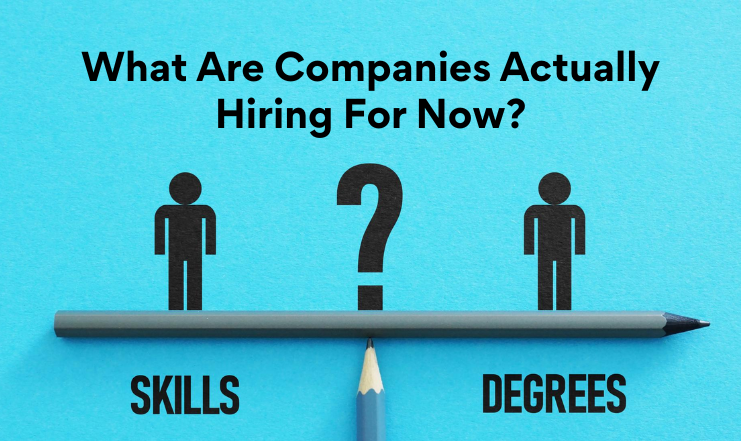
What Companies Are Actually Hiring For Now
Talk to hiring managers at agencies, product companies, and in-house marketing teams. The language has shifted. They are no longer just looking for someone who knows the software. They are looking for five deeper qualities.
Problem-Solving Ability Can this person understand what is actually wrong — or will they simply follow instructions without thinking? Companies want people who can solve problems,
not just complete tasks. When a campaign is not working, can they diagnose why? Or do they just change the button colour and hope for the best?
Decision-Making Ability Can this person make good choices when things are unclear? Can they choose between different options and explain why they chose one direction over another? That is what makes someone valuable — not just the ability to execute, but the ability to decide.
Communication and Clarity Can this person explain their ideas clearly? Can they present work confidently to clients, managers, or team members? In the real world, communication matters as much as technical skill. A person who thinks well but cannot explain their thinking is still limited.
Adaptability Can this person learn quickly when technology changes? Can they stay relevant when tools evolve? This matters more than ever because AI is changing industries very quickly. The question is not whether someone knows today’s tools — it is whether they can adapt when those tools change.
Independent Thinking Can this person think without waiting for instructions every time? Can they bring ideas? Can they see what others miss? This is what separates future leaders from people who stay stuck in junior roles for years.
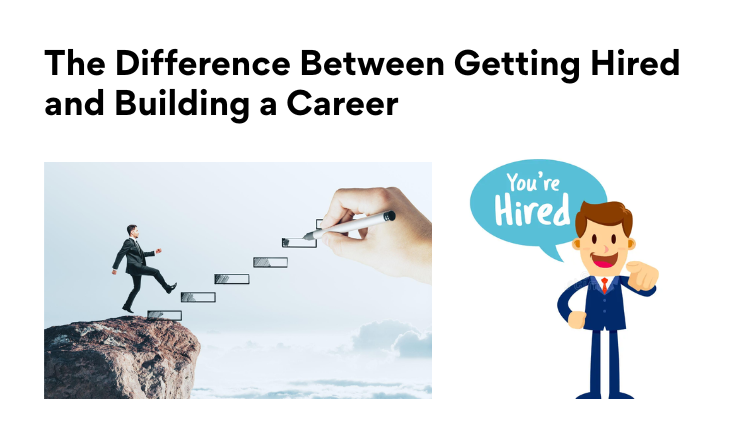
The Difference Between Getting Hired and Building a Career
Here is the distinction that matters most for a parent making this decision.
Software skills may get a student their first opportunity. A solid portfolio and demonstrable technical ability will open the first door.
But what happens after that door opens is determined by something different.
When ten junior employees join a company with the same software skills, one of them becomes the team lead in three years. The others remain in execution roles — good at their work, reliable, but waiting for someone else to define what that work should be.
What separates them is not talent. It is not even work ethic. It is how they think before they execute.
The one who gets promoted is the one who walks into a meeting and says: “I think we are solving the wrong problem” — and is right. The one who asks why the brief is written this way, not just how to execute it.
That is a thinking skill. And it is trainable.
Why Most Training Programmes Do Not Teach This
Most creative education — design schools, digital marketing courses, video production programmes — focuses almost entirely on tools and execution.
This made sense for twenty years. The tools were the barrier. Master them and you had an advantage.
But today, tools are the floor, not the ceiling. Everyone has access to them. AI makes them faster and easier every month.
The gap that matters now is not between someone who knows Photoshop and someone who does not. It is between someone who can decide what to make and someone who can only make what they are told.
Very few programmes teach the latter. Most still teach the former.
Why This Matters Even More in Chennai
Chennai is growing fast in areas like design, technology, content creation, digital marketing, UI/UX, video production, branding, and startups. There are more opportunities than ever before. But there is also more competition.
Companies are receiving hundreds of resumes for every role. So they are not just choosing the student with the best marks or the most certifications. They are choosing the student who thinks better, communicates better, solves problems faster, uses AI intelligently, and shows the maturity to grow into leadership roles.
Software changes. The tools popular today may become outdated in three years. But thinking skills stay valuable for life.
A student who only learns software may struggle when the market shifts. A student who learns how to think can adapt to almost anything.
What SPARK Does Differently
At Video Superstars Academy, the technical training is still there. Students learn design, video editing, digital marketing, and UI/UX — properly, with industry-standard tools.
But woven through all of it is SPARK: a second-layer thinking framework that trains the five qualities companies are increasingly promoting people for.
- Spot — see the real problem, not just the visible symptom
- Probe — question assumptions before executing
- Adapt — borrow ideas from unrelated fields
- Reconstruct — organise complexity into a clear, defensible direction ● Keep Iterating — refine until the work is genuinely good, not just finished
These are not just creative skills. They are career skills. Leadership skills. Life skills.
Because the future does not belong only to the students who know the most software. It belongs to the students who know how to think when the software is not enough.
The Real Question Every Parent Should Ask
The question is no longer: “Which software will my child learn?”
The better question is: “Will my child become the kind of person companies want to trust, promote, and depend on?”
That is the real goal.
Getting the first job is important. But building a long-term career is even more important. And long-term careers are built on thinking, communication, adaptability, and judgment — not just tool skills.
That is exactly what SPARK is designed to develop.
Explore the SPARK series:
- Why Tool Skills Alone Are Not Enough Anymore
- The Rise of the Knowledgeable Rebel — Why the Best Creatives Question Everything
- Surface Thinking vs Second-Layer Thinking: Which One Are You Using? ● What Is SPARK? A Thinking System, Not a Creative Trick
- From Executor to Strategist: How SPARK Helps You Stay Relevant in the AI Era
At Video Superstars Academy, SPARK is how students train this kind of second-layer thinking deliberately — so they do not just learn tools, but learn how to think beyond them.