
Most beginner video editors make the same mistake.
They spend months mastering Premiere Pro. They finish their After Effects course. They feel ready. And then a hiring manager asks one simple question — “Can I see your portfolio?” — and everything stalls.
Because software skills tell employers what you’ve learned. Your portfolio tells them what you can do. And in the creative industry, that difference is everything.
After training thousands of students, we’ve identified 5 types of projects that consistently impress hiring managers, agency leads, and freelance clients. If your portfolio has these, you don’t just look hirable – you look ready
Trailer or Teaser Edit
What it shows: Storytelling instinct and emotional pacing
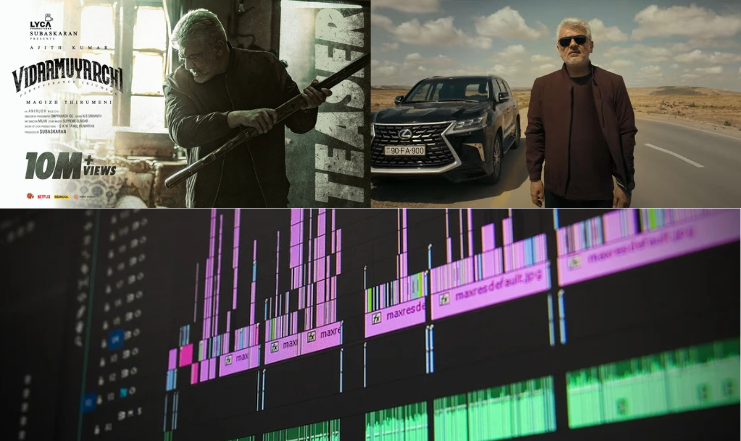
A great trailer edit is one of the hardest things to do well — and one of the first things studios look for. In under 60 seconds, you need to build tension, sync emotion to music, and make someone feel something they didn’t expect to feel.
Movie-style trailers, event teasers, product launch previews, documentary promos — the format doesn’t matter as much as the impact. Does it hook? Does it build? Does it land?
YouTube creators and brands are constantly producing teaser content to grow their audiences. An editor who can deliver that kind of emotional punch is valuable from day one
Product Advertisement Edit
What it shows: Commercial editing and brand sensibility
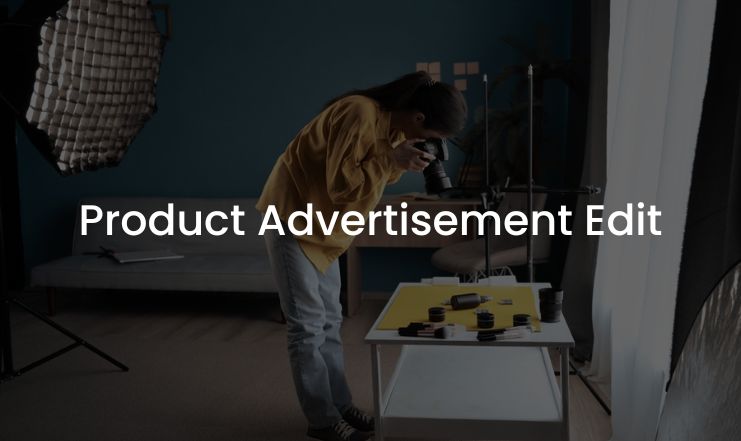
Agencies and brands need editors who can make products look premium and desirable. A strong product ad demonstrates smooth transitions, motion graphics, color grading, text animation, and sound design — all in service of one goal: make the viewer want it.
Phone ads, food commercials, fashion reels, tech promos — these are the exact formats that get editors hired at agencies. When a potential employer sees this in your portfolio, they don’t need to imagine whether you can handle commercial work. You’ve already proven it.
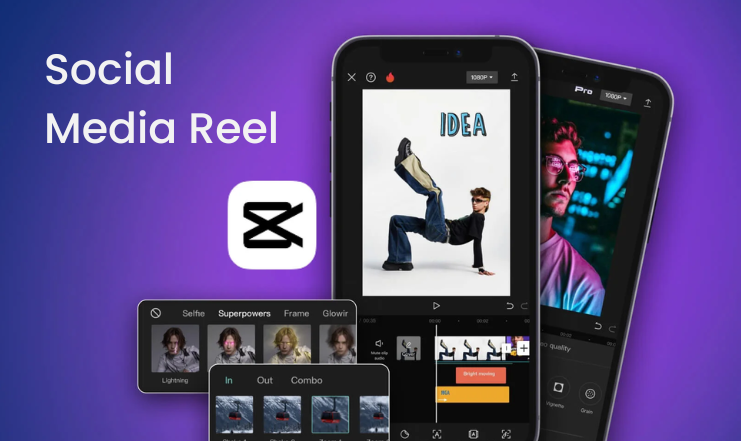
Social Media Reel or Short-Form Edi
What it shows: Modern content instincts and real-world relevance
This is the most in-demand editing skill in 2026. Every brand, creator, and startup needs short-form content — and very few editors truly understand the craft behind it.
The two-second hook. The dynamic captions. The pacing that holds attention. The instinct to know exactly when a cut should land. These aren’t accidental — they’re learned skills that
separate editors who get freelance work from those who don’t.
A strong reel edit signals one thing to the market: I understand how people consume content today. That signal is worth more than most certifications.
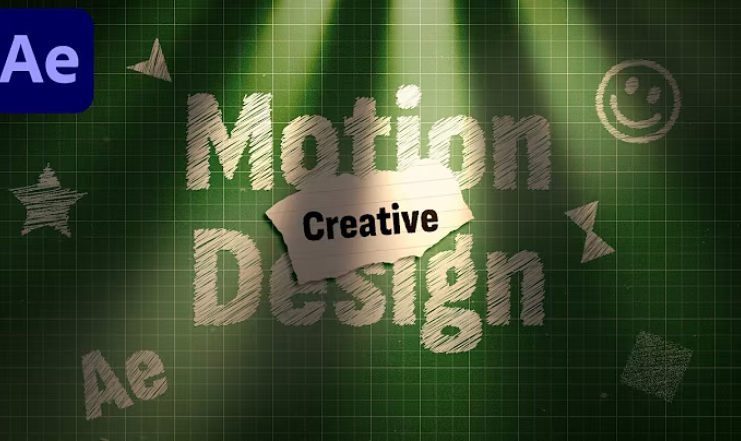
Motion Graphics Video
What it shows: After Effects depth and visual design thinking
Typography animation, logo reveals, animated explainers, kinetic text — motion graphics demonstrate that you’re not just cutting footage, you’re building visual experiences from scratch.
Editors with motion graphics capability consistently earn more, attract better clients, and access opportunities that pure editing skills can’t unlock. A single well-crafted motion graphics piece in your portfolio immediately elevates your perceived value.
Brand intros, logo animations, motion typography reels — any of these work. What matters is that the movement feels intentional, not decorative
That’s exactly the mindset taught in professional motion graphics training programs, where designers learn to animate with purpose rather than just adding effects.
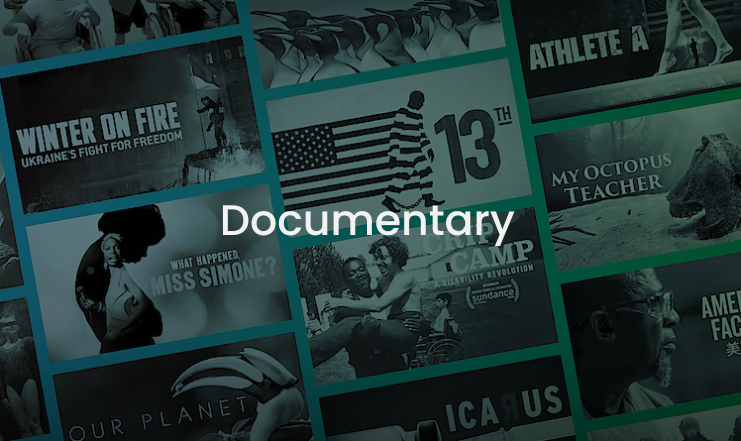
Documentary or Story Edit
What it shows: Long-form storytelling and post-production depth
This is the project that shows real depth. A documentary edit requires you to weave interviews, voiceover, B-roll, music, and emotional pacing into something coherent — something that makes people feel something over 5, 10, or 20 minutes.
There’s nowhere to hide in long-form work. Either the story flows or it doesn’t. Either the emotion lands or it doesn’t.
Production houses, OTT platforms, and long-form YouTube creators depend on this skill. And when a hiring manager sees a documentary alongside a product ad and a motion reel in the same portfolio, the conclusion is immediate: this editor can handle anything.
The Portfolio Rule That Changes Everything
Most editors build their portfolios the wrong way — random projects, no clear range, no intentional story.
The best entry-level portfolios show range with intention: a trailer that proves emotional instinct, a product ad that proves commercial thinking, a reel that proves content awareness, a
motion piece that proves design depth, and a documentary that proves storytelling stamina.
Together, these five project types answer the only question that matters to a hiring manager: Can this person handle what I’m going to throw at them?
How ViSA Students Build Their Portfolios
At Video Superstars Academy, portfolio building isn’t a final-week activity. It’s woven into the entire course.
We run dedicated project workshops every few sessions throughout the 4-month program. By graduation, most students have 10–15 polished, professional editing projects — trailers, product ads, vlogs, short films, motion graphics pieces, documentary edits — built progressively with mentor feedback at every stage.
That’s one reason why many of our students secure jobs or freelance projects within months of completing the course. They don’t leave with just a certificate. They leave with proof.
If you’re serious about building a video editing career, start with your portfolio — not your software list.
Build these five project types. Build them with craft and intention. And watch how differently the industry responds to you.
Interested in building this portfolio with structured guidance?
Explore the Video Editing Mastery Program at Video Superstars Academy — where your portfolio is ready before you graduate.